ISO 9001 vs ISO 13485 for Microscopes: Which Matters?
Wiki Article
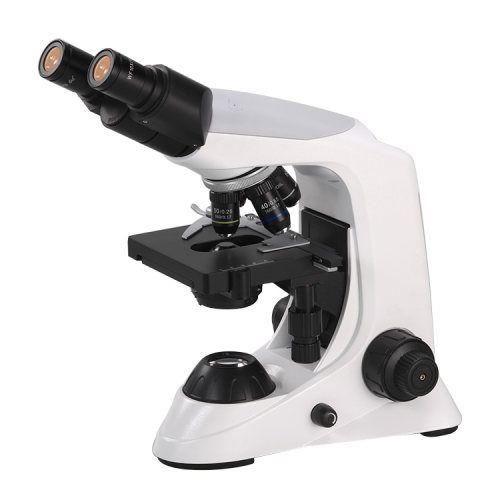
BK5000 Series Biological Microscope
Market | Research Microscope | Medical/Clinical Microscope |
US | UL/ETL + FCC | FDA registration + possible 510(k) |
EU | CE (LVD + EMC + RoHS) | CE under MDR + ISO 13485 |
1、US Requirements (FDA + Electrical Safety)
Research or Industrial Microscopes (Non-medical)
Most standard lab microscopes used in universities or research labs do not require FDA clearance.
But they still need basic safety compliance:
UL or ETL listing (electrical safety)
FCC compliance (electromagnetic interference)
If it plugs in, US buyers expect UL/ETL + FCC.
Clinical or Diagnostic Microscopes (Medical Use)
If the microscope is marketed for diagnosing disease, pathology, or clinical testing, it may be regulated as a medical device.
In that case, you may need:
FDA registration
510(k) clearance (for certain diagnostic systems)
Quality system compliance (21 CFR Part 820)
Medical claims = FDA involvement.
2、EU Requirements (CE Marking Is the Big One)
CE Marking (Mandatory)
To sell in the EU, the microscope must meet CE requirements under relevant directives, such as:
Low Voltage Directive (LVD) – electrical safety
EMC Directive – electromagnetic compatibility
RoHS Directive – restriction of hazardous substances
No CE mark = no legal sale in the EU.
Common International Standards Buyers Look For
Even when not legally required, serious labs and distributors often expect:
ISO 9001 (general manufacturing quality)
ISO 13485 (if medical-related)
IEC 61010-1 (laboratory electrical safety standard)
These help prove reliability and compliance.
Report this wiki page